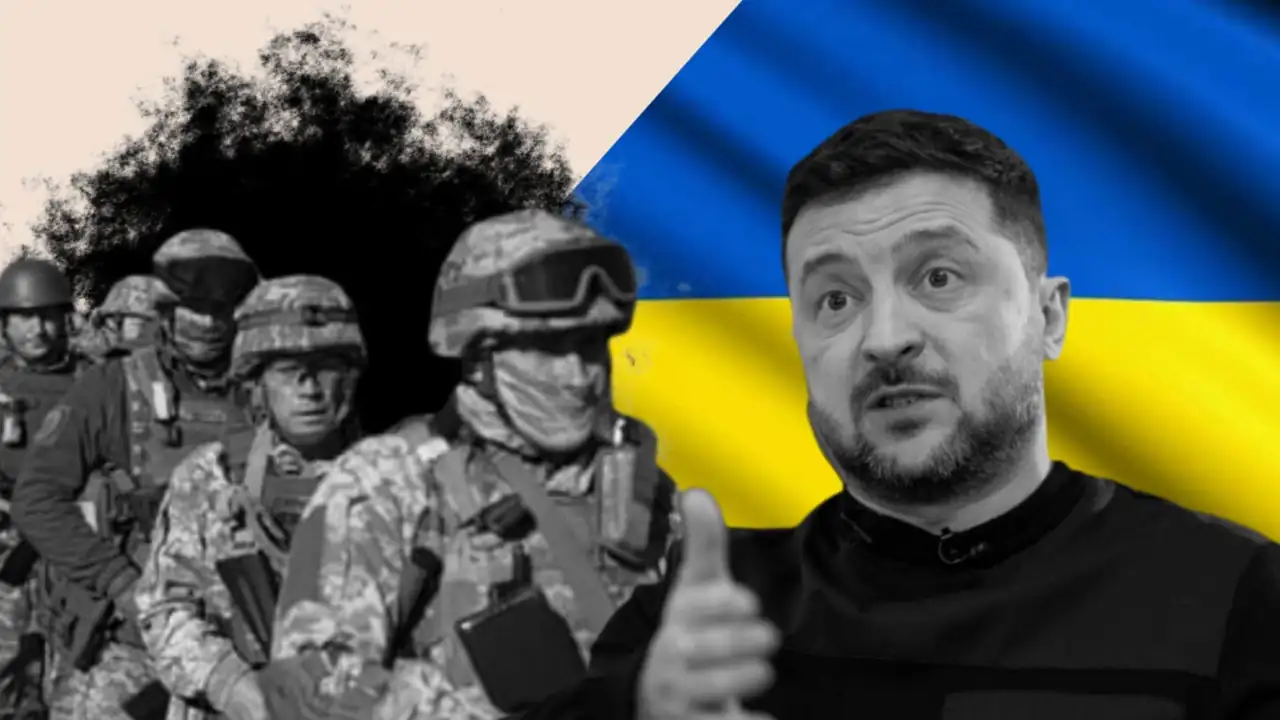
The ongoing war in Ukraine has not only caused direct casualties and infrastructure damage but has also triggered a profound and widespread health crisis affecting millions. According to the World Health Organization (WHO), chronic stress, poor sleep, constant danger, and disrupted medical care are accelerating health problems across the country.
Recent assessments reveal that around two in three Ukrainians, approximately 68-70% report a decline in their health compared to the pre-war period. This figure highlights the pervasive impact of prolonged conflict on both physical and mental well-being.
Key Drivers of Health Decline
Several interconnected factors are contributing to this crisis:
Mental Health Burden: Mental health concerns top the list, affecting nearly half the population (around 46%). This includes heightened anxiety, depression, and trauma from living under constant threat. Noncommunicable diseases (NCDs), which account for 84% of deaths in Ukraine, are worsening due to disrupted care.
Disrupted Healthcare Access: Attacks on healthcare facilities over 3,000 verified by WHO since the full-scale invasion, have severely hampered service delivery. Barriers such as unavailability of services, high medicine costs, and security risks leave many with chronic conditions vulnerable.
Lifestyle and Environmental Stressors: Chronic stress, sleep deprivation, and exposure to danger are fueling rises in cardiovascular events like strokes and heart attacks, alongside neurological issues.
Vulnerable Groups: Older adults, children, and those with pre-existing conditions face amplified risks. Displacement, power outages, and winter hardships further erode coping mechanisms.
Four years into the full-scale invasion, the war continues to strain Ukraine’s health system. WHO and partners are focusing on mental health support, trauma care, rehabilitation, and ensuring access to essential services. However, declining international funding poses additional challenges.
WHO Statement
“Our recent assessments show that more than two thirds of Ukrainians report a decline in their health compared to the pre-war period, with mental health concerns affecting nearly half of the population. […] This cannot be normalized.”
— WHO Representatives and officials, reflecting on the sustained impact of the conflict on Ukraine’s health system and population.
Despite navigating extraordinary, life-threatening conditions, the WHO Health Emergency Appeal highlights that Ukraine’s healthcare workforce maintains unexpected resilience. Around 93% of surveyed households still know where to find their nearest functional primary health facility. However, deep structural vulnerabilities remain, specifically severe shortages of trauma specialists, understaffed frontline clinics, and long waiting periods for the staggering number of war-related amputations and complex physical rehabilitations.
Experts emphasize the urgent need for sustained international support to prevent further irreversible health deterioration. As the conflict persists, addressing these hidden wounds alongside visible destruction remains critical for Ukraine’s long-term recovery.
This public health emergency underscores the far-reaching human cost of war, extending well beyond the battlefield.